Modernizing a legacy enterprise dashboard into a scalable, user-centered platform
Overview
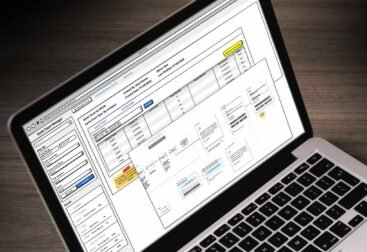
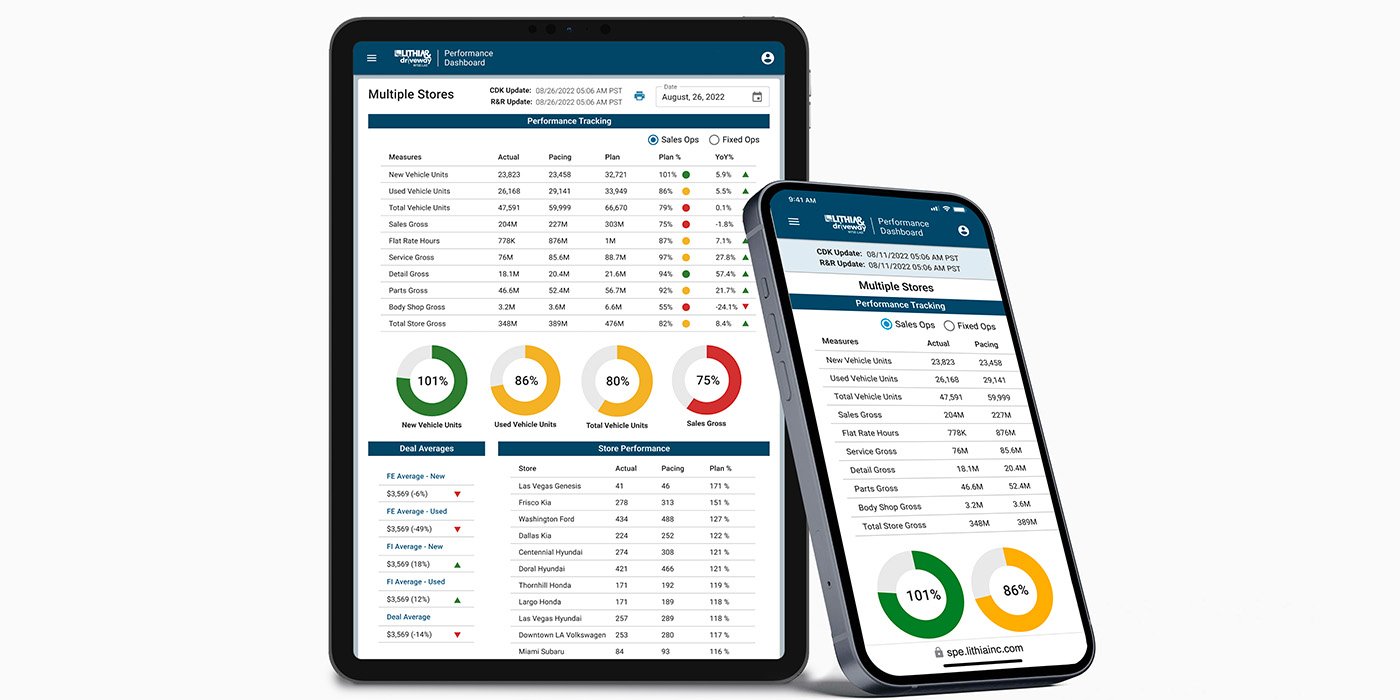
Lithia & Driveway (NYSE: LAD), one of the largest automotive retailers in the U.S., relied on a decade-old ASP.NET-based dashboard to deliver analytics across the organization. This system, originally built for a narrower scope, had become outdated and increasingly misaligned with user needs. The redesign aimed to create a modern, responsive dashboard using Next.js and React, supported by a custom-branded design system that could scale across multiple enterprise applications.The user base included C-suite executives, Regional VPs, General Managers, Sales Managers, and accounting staff, each with distinct data needs, goals, and workflows. Creating a unified, flexible solution meant balancing high-level strategic insights with granular, day-to-day operational data.
The Challenge
The legacy dashboard had grown bloated and inconsistent over time. Features were added reactively, resulting in fragmented user experiences, visual inconsistency, and confusing workflows. Mobile access was nonexistent, which posed significant issues for users needing real-time data on the go.
- Executives lacked quick access to performance metrics
- Dealership staff couldn’t customize views for daily operations
- Training new users was time-consuming due to UX inconsistencies
- Inaccessible mobile experience hindered productivity for field-based roles
This wasn’t just a technology upgrade — it was a strategic redesign grounded in UX research and system scalability.
Understanding the Users
Early in the project, we faced a familiar challenge: limited user availability for research. To accelerate insight gathering, I initiated a novel approach — using ChatGPT to simulate initial user group feedback.
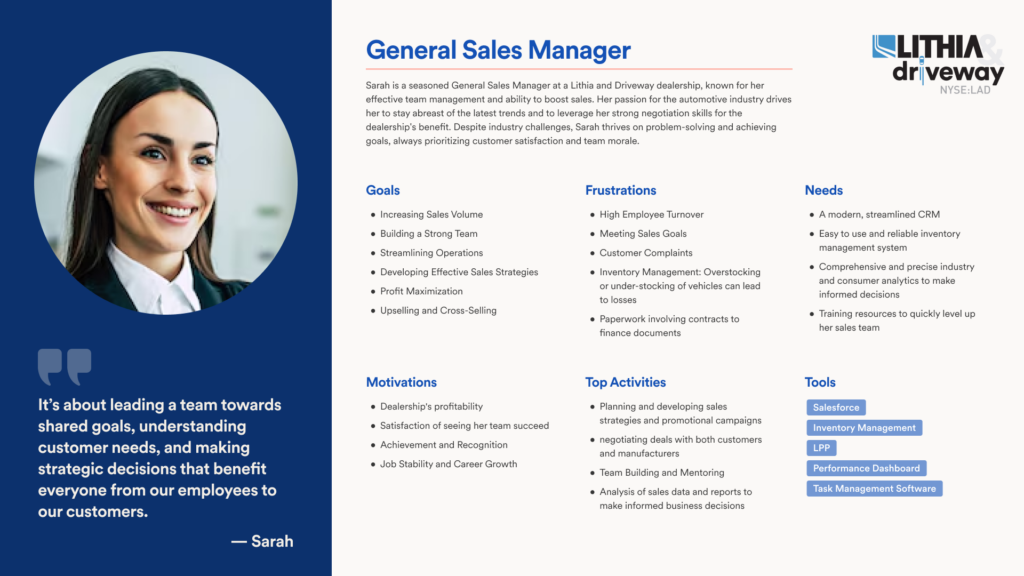
This allowed us to quickly draft proto-personas for each primary user group, detailing their goals, frustrations, needs, motivations, and top tasks. These were later validated through interviews and observational sessions.
Outcome
This method gave the team a reliable foundation for prioritizing features, tailoring workflows, and framing design trade-offs for our diverse audience.
Designing the Solution
We focused on improving usability and accessibility while enabling customization for various user roles. Key design priorities included:
- Customizable dashboards tailored to individual roles
- Clear visual hierarchy for quick data interpretation
- Flexible component structure to support scalable workflows
- Mobile responsiveness for data access in the field
I led the UX and UI design process, working closely with stakeholders and engineers to prototype and validate key dashboard patterns.
Building the System
One of my most impactful contributions was designing and partially developing a branded design system for Lithia & Driveway’s enterprise applications.
While other tools in the ecosystem used out-of-the-box Material UI, I created a custom Figma component library and implemented Material UI theming to align with brand guidelines and enterprise needs.
Design System Outcomes
- Established consistent UX patterns across multiple applications
- Reduced front-end rework and improved engineering handoff
- Created a scalable foundation for future enterprise products
The new dashboard was built using a Next.js + React stack, ensuring modern performance, modularity, and long-term maintainability.
Outcome
The redesigned dashboard successfully addressed the shortcomings of the legacy tool by:
- Improving usability and consistency through a shared design system
- Enabling mobile access for real-time decision-making
- Supporting role-based customization for all key user types
- Laying a scalable foundation for future internal tools across LAD’s digital ecosystem
The work significantly increased design maturity across the organization and positioned UX as a strategic partner in product development.
Lessons Learned
This project reinforced the importance of adaptability, systems thinking, and creative problem-solving in complex enterprise environments.
Using AI tools like ChatGPT allowed us to navigate research constraints and align early around user needs. Creating a design system not only solved immediate interface challenges, but also set the stage for long-term UX and engineering efficiency.